
Root Canal Treatment in Jacksonville
What Is a Root Canal?
A root canal, also called endodontic treatment, is a common dental procedure used to treat infection or inflammation inside a tooth. Root canal treatment can relieve pain, remove infection, and help preserve your natural tooth rather than requiring extraction and replacement with a dental implant or bridge.
At the center of each tooth is the pulp, which contains blood vessels and nerves and helps form the surrounding tooth structure. The pulp can become inflamed or infected because of deep decay, trauma, cracks or chips, or repeated dental procedures. Symptoms may include tooth sensitivity to hot or cold temperatures, swelling, visible injury to the tooth, or pain in the tooth and gums.
If the pulp is damaged or infected, your dentist or endodontist may recommend non-surgical root canal treatment. During treatment, the diseased pulp is removed, the root canal system is carefully cleaned and shaped, and the canals are sealed to help prevent reinfection. Root canal therapy typically involves local anesthesia and may be completed in one or more visits, depending on the condition of the tooth and the treatment required.
Drs. Geric and Manassee use local anesthesia to help keep you comfortable during treatment. nitrous oxide analgesia may also be available when indicated. Most patients can drive themselves home after treatment and return to their normal activities relatively quickly.
Understanding Root Canal Treatment
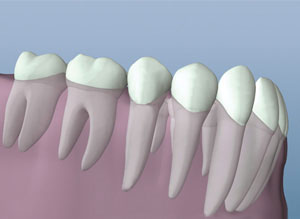
Healthy Tooth
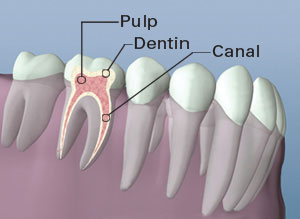
Tooth Anatomy
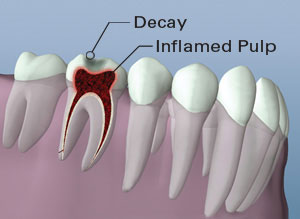
Inflammation
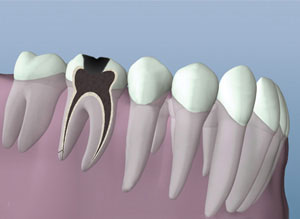
Cleaned Canals
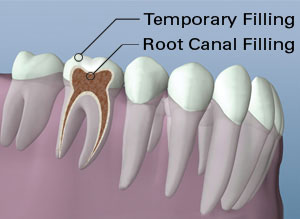
Filling Placed
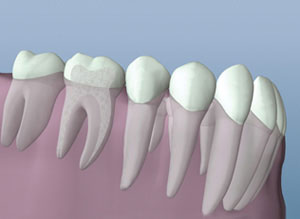
Healed Tooth
Does a Root Canal Hurt?
One of the most common misconceptions about root canal treatment is that it is painful. With modern technology, techniques, and anesthetics, root canal treatment is generally no more uncomfortable than having a filling placed. In many cases, patients seek treatment because they already have significant tooth pain caused by inflamed or infected tissue inside the tooth.
Root canal treatment is designed to relieve that pain by removing the damaged or infected pulp. Local anesthesia is used during the procedure to help keep you comfortable, and additional comfort options may be available when appropriate.
Some tenderness or sensitivity can occur after treatment as the tissues around the tooth heal. Your endodontist will provide instructions for caring for your tooth after treatment.
Is Root Canal Treatment Safe?

Endodontics plays an important role in maintaining oral health by treating infection and inflammation while preserving natural teeth. Root canal treatment has been performed for many decades and is considered a safe and effective way to treat teeth with diseased or infected pulp.
Patients sometimes encounter claims online suggesting that root canal treatment can cause illness elsewhere in the body. These claims are based largely on a historical theory known as the “focal infection theory,” including research associated with Dr. Weston A. Price in the early 20th century. That research was later criticized and contradicted by subsequent scientific evidence.
There is no valid scientific evidence that root canal-treated teeth cause systemic disease. Modern endodontic treatment is intended to remove infected or inflamed tissue, thoroughly clean the root canal system, seal the tooth, and prevent reinfection.
The Endodontics provides additional patient education about the safety and effectiveness of root canal treatment and can be a helpful resource for patients who have questions or concerns.
Root Canal Treatment vs. Tooth Extraction
When a tooth can be successfully treated, preserving your natural tooth is generally the preferred option. Nothing completely replicates the function and feel of a natural tooth.
Root canal treatment removes the infected pulp while allowing the remaining tooth structure to stay in place. After treatment and an appropriate restoration, many root canal-treated teeth can function for many years and, in some cases, a lifetime.
Extraction removes the natural tooth and typically requires consideration of a replacement, such as a dental implant or bridge. Tooth replacement can require additional treatment time, procedures, and expense. Your dentist or endodontist can evaluate the condition of your tooth and explain whether root canal treatment is a suitable option.
What Happens After Root Canal Treatment?
Once your root canal therapy has been completed, a record of your treatment will be sent to your restorative dentist. You should contact their office to schedule a follow-up restoration within a few weeks of completing treatment.
Your restorative dentist will determine what type of restoration is appropriate to protect the tooth. Depending on the location and condition of the tooth, a crown or another restoration may be recommended. Restoring the tooth helps protect it from further damage and allows it to function normally.
Complications following routine endodontic treatment are uncommon. If a problem does occur, our office is available to help evaluate and address your concerns. To help prevent future dental problems, continue practicing good oral hygiene and maintain regular dental visits.
How Much Does a Root Canal Cost?
The cost of root canal treatment varies depending on several factors, including the tooth being treated, the complexity of the root canal system, and the extent of infection or damage. Your treatment plan and estimated costs will be discussed during your consultation.
Although the cost varies from patient to patient, preserving a natural tooth with endodontic treatment is often less expensive than extracting the tooth and replacing it with an artificial tooth. Your endodontist can discuss your treatment options and help you understand the expected costs before treatment begins.
Common Root Canal Questions
Why do I need a root canal?
A root canal may be recommended when the pulp inside a tooth becomes inflamed or infected due to deep decay, trauma, cracks, chips, or repeated dental procedures. Treatment removes the diseased pulp and helps preserve the natural tooth.
How do I know if I need a root canal?
Possible signs include persistent tooth pain, sensitivity to hot or cold, swelling around the tooth, tenderness when biting or chewing, or a visible injury. Some infected teeth may cause few or no noticeable symptoms, so a dental examination and appropriate imaging are important for diagnosis.
Is it better to have a root canal or an extraction?
When a tooth can be predictably saved, preserving the natural tooth with root canal treatment is generally preferred. Extraction may be necessary when a tooth cannot be successfully restored or treated. Your dentist or endodontist can explain which option is appropriate for your situation.
How long does a root canal take?
The length of treatment varies based on the tooth and the complexity of the case. Some root canals can be completed in one visit, while others require multiple appointments.
Can I drive after a root canal?
Patients treated with local anesthesia and appropriate comfort measures can generally drive themselves home after treatment. Your endodontist will let you know if any additional sedation or medication requires you to arrange transportation.
What happens if I do not get a root canal?
If an infected or severely inflamed pulp is left untreated, the infection can worsen and may eventually result in an abscess, bone loss, or loss of the tooth. Prompt evaluation can help determine whether root canal treatment or another option is appropriate.

Have questions about root canal treatment?
Your dentist or endodontist can discuss your symptoms, evaluate the affected tooth, explain your treatment options, and address any concerns you may have about root canal safety, discomfort, recovery, or alternatives.